Avoid hidden garden maintenance costs in Woking explained
Posted on 03/11/2026
If you have ever booked garden work and then watched the final bill quietly creep upwards, you are not alone. Hidden charges can turn a simple tidy-up into a much bigger expense than expected, and that is especially frustrating when you are trying to keep a Woking garden looking neat through busy seasons, wet weather, and the usual British mix of growth spurts and surprise mess.
This guide to Avoid hidden garden maintenance costs in Woking explained breaks down where those extra costs come from, how to spot them early, and how to plan your garden care more confidently. We will look at the common traps, the practical questions to ask, and the simple habits that keep maintenance predictable. Truth be told, most budget shocks are avoidable once you know what to look for.
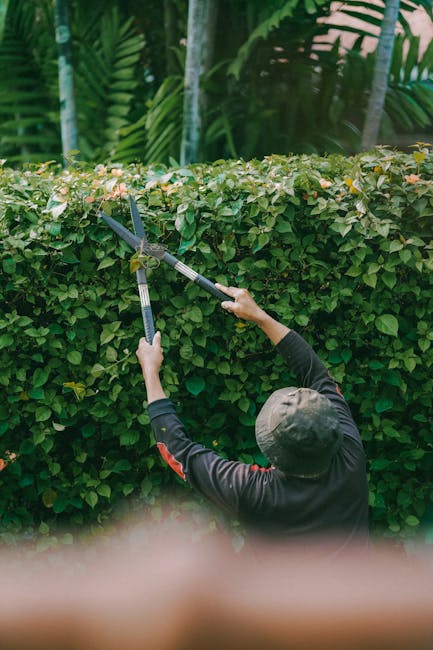
Why hidden garden maintenance costs in Woking matter
Garden maintenance sounds straightforward at first glance. A bit of mowing, hedge trimming, weeding, maybe some patio cleaning, and you are done. But in practice, gardens often hold surprises: overgrown borders, awkward access, heavy green waste, broken fencing, drainage issues, mossy lawns, ivy taking hold, or tired soil that needs more than a quick surface tidy.
In Woking, these surprises can matter even more because many gardens combine mature planting, compact access, and weather conditions that speed up growth in spring and slow work down in winter. That means a cheap-looking quote can be misleading if it does not include the real labour, disposal, and follow-up needed to finish the job properly.
The problem is not only the cost itself. It is the uncertainty. A homeowner trying to budget for seasonal care, a landlord keeping a rental presentable, or a busy family wanting an easy-to-manage outdoor space all need to know what they are paying for. Otherwise, you end up making short-term choices that can cost more later. A neglected hedge, for example, often becomes a bigger job next time; a missed weed problem can spread fast; and a lawn that is not maintained consistently can require more recovery work.
Practical takeaway: the cheapest garden maintenance option is not always the best value. The real question is whether the quote covers the full job, the likely extras, and the follow-up needed to keep the garden in good shape.
If you are planning a wider refresh, it can also help to explore ideas such as starting a garden makeover in a phased way so you do not pay for avoidable rework later.
How hidden garden maintenance costs in Woking happen
Hidden costs usually appear when a garden visit is priced too broadly or when the condition of the garden has not been checked carefully enough. The work may still be honest and professional, but the quote did not fully reflect what was actually required. That is where things get awkward.
Here are the most common ways costs creep in:
- Access problems - If tools, wheelbarrows, or waste bags must be carried through a narrow side gate, a house interior, or a long rear path, the job can take longer than expected.
- Overgrowth - Thick hedges, heavy weeds, and long grass are not the same as routine maintenance. They usually mean more labour and more waste.
- Waste removal - Green waste is often where the bill quietly rises. Large cuttings, branches, roots, and bulky material may need extra disposal time or vehicle space.
- Specialist work - Tree pruning, ivy removal, fencing repairs, decking cleaning, or extensive patio cleaning may sit outside a basic maintenance visit.
- Repeat visits - Some gardens need a one-off reset before they can move onto normal upkeep. If that is not explained early, it can feel like a surprise add-on.
- Materials and consumables - Soil improver, mulch, feed, weed control products, or replacement plants may not be included unless specified.
There is also a behavioural side to it. Sometimes a customer asks for a simple tidy, but the garden needs more than a tidy. A professional should explain that clearly. If they do not, the lowest quote can become the least useful one.
To be fair, gardens change with the seasons. A plan that works in early summer may not suit a windy, leaf-heavy autumn or a wet winter. If you want to understand how conditions can influence maintenance, it is worth reading practical advice like dealing with troublesome winds in the garden and winter protection tactics for plants.
Key benefits and practical advantages
When you reduce hidden maintenance costs, you are not just saving money. You are buying clarity, consistency, and a garden that is easier to live with.
- Better budgeting - You can plan monthly, seasonal, or annual spending without nasty surprises.
- Less waste - Work gets done properly the first time, which helps avoid repeat visits for the same issue.
- Cleaner results - A properly scoped job usually leaves the garden tidier and healthier, not just superficially improved.
- Faster decisions - When you know what is included, you can compare services more confidently.
- Reduced stress - No one enjoys wondering whether an invoice is about to jump because of something small and unmentioned.
There is a wider design benefit too. Gardens that are easier to maintain usually cost less over time because they are built around practical upkeep rather than constant firefighting. For example, using low-maintenance ground covers, choosing sensible hedge choices for privacy, or adding structure with container gardening can all reduce the time and effort needed later.
A little planning now often means fewer bills later. That part is almost boring, but in a good way.
Who this is for and when it makes sense
This approach is useful for anyone who wants reliable garden upkeep without budget drift. It is especially relevant if your garden has any of the following:
- mature hedges or shrubs that need regular trimming
- a lawn that needs consistent mowing and care
- fencing, decking, or a patio that collects grime or weather damage
- problem weeds, ivy, or invasive growth
- limited access for equipment and waste removal
- pets, children, or frequent use that creates extra wear
It also makes sense if you are comparing one-off and ongoing maintenance. Sometimes a single visit is enough, but often a garden in Woking benefits from regular garden maintenance, lawn care, or hedge trimming to stop problems from becoming expensive.
If you are a newer homeowner, a first-time landlord, or someone reclaiming an overgrown space, you may especially appreciate a more transparent quote. And if you are on a tight budget, you may want to start with guidance from easy-to-maintain gardens on a budget before making bigger decisions.
Step-by-step guidance
1. Walk the whole garden before requesting any quote
Do not just look at the front-facing bits. Check side access, back corners, sheds, fences, hidden weeds, compost areas, drains, and any awkward patches behind borders. You will often spot the real cost drivers in the places people forget first.
2. Separate routine work from problem work
Routine work includes mowing, light pruning, edging, and tidying. Problem work includes clearing ivy, cutting back large hedges, removing waste after a major cut, repairing a damaged fence, or dealing with a neglected patch that has gone wild. That distinction matters because it changes the labour.
3. Ask what is included and what is excluded
This sounds obvious, yet it is where many hidden costs begin. Ask whether the quote includes waste disposal, equipment, fuel, labour time, plant feed, disposal of branches, and return visits if the garden needs a reset before maintenance starts.
4. Confirm the condition assumptions
A proper quote should be based on the actual state of the garden. If the provider is quoting as though the lawn is neat but it is really chest-high in places, the final invoice may change. Better to be honest early. Nobody enjoys awkward surprises at the gate.
5. Choose maintenance frequency that fits the garden
Very often, fewer expensive visits are the result of more regular light maintenance. A short weekly or fortnightly service can be less stressful than repeated rescue jobs. That is especially true for lawns, hedges, and fast-growing borders.
6. Build a seasonal plan
Spring growth, summer watering, autumn leaf clearance, and winter protection all create different needs. A sensible plan spreads the work through the year instead of waiting until everything has piled up. If you want to shape the garden in a calmer, more usable way, ideas from turning your yard into a private escape can also help you think long term.
7. Review the quote after the first visit
Once the garden has been seen in action, the service scope can often be refined. This is where good communication saves money. If something keeps appearing as an extra, it may need to be folded into the main plan.
Expert tips for better results
Here is the part that tends to save people the most money over time: reduce complexity where you can. A garden with too many fussy edges, thirsty plants, awkwardly placed obstacles, and runaway climbers will always cost more to maintain than one designed with upkeep in mind.
- Keep borders practical. Wide, accessible borders are easier to weed and edge than narrow, broken-up strips.
- Use the right plants for the space. Shade-loving climbers, ground covers, and sensible shrubs are easier to manage than plants that resent the site.
- Do not ignore the soil. Poor soil leads to weak growth and more maintenance headaches. Compost and organic matter can make a genuine difference.
- Cut ivy early. Once ivy gets established, removal becomes slower and costlier. The same goes for self-seeded shrubs.
- Protect vulnerable areas. Patio joints, deck boards, and fence lines often look small until they start causing repeat work.
A small but useful tip: ask for maintenance to be priced based on the garden's current state, not the neatest version of it. That one sentence can prevent a lot of nonsense. Honestly, it helps more than people expect.
If your garden is regularly exposed to wind or shade, related reading such as evergreen climbers for shady spots and weed control tips can help you make smarter maintenance choices.

Common mistakes to avoid
Most hidden cost problems come from a few predictable mistakes. The good news is that once you know them, they become much easier to avoid.
- Accepting a vague quote. If the work description is too broad, you are leaving room for confusion later.
- Ignoring waste disposal. Green waste is not always included, and that can be a real cost factor.
- Assuming all hedge work is the same. Light trimming is very different from reducing a dense, overgrown hedge.
- Forgetting access issues. A long carry distance, locked gates, or awkward parking can change the labour needed.
- Leaving problems too long. A small ivy patch becomes a bigger one. A tidy hedge becomes a heavy cut. The bill usually follows the growth.
- Choosing purely by price. Low-price work can be fine, but only if it is clearly scoped. Cheap and unclear is where trouble starts.
One more thing: do not treat a garden like a fixed object. It changes. Fast sometimes. A tree that looked fine last month can drop more than you expected; a lawn can become patchy after wet weather; a fence panel can fail after a storm. Slightly annoying, yes. But normal.
Tools, resources and recommendations
You do not need a shed full of gadgets to control maintenance costs, but a few tools and habits make a difference.
- Basic recording notes - Keep a simple list of what was done, when, and what needs attention next.
- Garden photos - Photos before and after a visit help you compare scope, spot repeat issues, and avoid confusion.
- Measuring tape - Useful for hedges, patios, beds, and any area where size affects pricing.
- Seasonal calendar - Note hedge cuts, lawn work, leaf clearance, and winter protection tasks in advance.
- Reliable equipment - If you maintain parts of the garden yourself, a decent mower, trimmer, shears, gloves, and a sturdy rake go a long way. A lot of waste and frustration comes from tired tools.
There are also some helpful internal reads if you want to reduce future maintenance pressure. For example, must-have gardening equipment is a sensible starting point for homeowners who do a bit themselves, while organic waste and soil improvement is useful if poor soil keeps creating recurring issues.
If your property has children or pets, you may also want to think about wear and access. A well-planned space, such as one guided by protecting plants from playful paws, can cut down on accidental damage and future repairs.
Law, compliance, standards and best practice
Garden maintenance is not usually a highly regulated service in the way some trades are, but there are still important standards of care. Good providers should work safely, communicate clearly, and dispose of waste responsibly. If machinery, ladders, or tree work are involved, safe working methods become even more important.
For homeowners, the practical rule is simple: make sure the work scope is clear, the waste handling is understood, and any higher-risk tasks are carried out by people with the right experience. Tree surgery, for example, is not the same as a routine hedge trim. A large tree, damaged limb, or awkward overhang may need specialist attention rather than a generic maintenance visit.
It is also wise to check the provider's insurance and safety information before you commit. That is not being fussy; it is just sensible. If something goes wrong, you want to know the basics were handled properly. Pages such as insurance and safety and health and safety policy are the kind of trust signals worth reviewing.
From a customer perspective, transparent pricing and clear terms are part of best practice too. If a service is changing scope, the update should be explained before work continues. That is ordinary fairness, really, but it still matters. You may also find it useful to review pricing and quotes and terms and conditions before booking.
Options, methods, and comparison table
There is more than one way to manage garden upkeep, and each method affects cost differently. The best choice depends on how much you want done, how quickly problems grow, and how hands-on you want to be.
| Approach | Best for | Cost control | Watch out for |
|---|---|---|---|
| One-off tidy-up | Overgrown gardens, pre-sale refreshes, seasonal resets | Can be efficient if scope is clear | Often reveals extra work once started |
| Regular maintenance | Busy households, rental homes, established gardens | Usually the most predictable | Needs a clear list of recurring tasks |
| Partial self-maintenance | Budget-conscious owners with some time and tools | Good for reducing routine labour | Can become inconsistent if life gets busy |
| Project-based improvements | Problem gardens needing redesign or repair | Useful when you want to remove future headaches | Higher upfront cost, but may lower long-term spend |
In many Woking gardens, a hybrid approach works best. Keep the routine jobs on a schedule, then tackle larger jobs like hedge reductions, lawn recovery, or patio cleaning as separate projects. That avoids the "everything at once" invoice, which is never a lovely surprise.
If you are considering a more structural upgrade, pages such as landscaping services, lawn care, patio cleaning, decking services, fencing, and tree surgery can help you match the right type of work to the real problem, rather than paying for a generic fix.
Case study or real-world example
Consider a typical Woking back garden that has been left alone for a few months. The owner wants a simple tidy-up before a family gathering. On first look, it seems like a small job: mow the lawn, trim the edges, and remove a few weeds.
But once someone walks through it properly, the picture changes. The hedge line is denser than expected, one border has ivy creeping into the fence, the patio has a slippery film of algae, and the green waste from the cuttings is too much for a standard bin. Suddenly, the job is not just a quick tidy. It is a combination of light maintenance, waste handling, and problem-solving.
What saved the owner money here was not avoiding the work. It was clarifying it. The maintenance provider broke the task into parts: routine cutback, hedge tidying, weed removal, and a separate follow-up for the ivy and patio. The homeowner could decide what to do now and what to schedule later. That is the kind of structure that prevents hidden costs from feeling hidden at all.
Another common scenario is the "we'll just leave the hedge another month" situation. Fine in theory. But in practice, dense hedges often become heavier, harder to cut cleanly, and more expensive to clear. If you have ever watched a hedge go from neat to unruly in what feels like a single damp week, you will know exactly what that means.
Practical checklist
Use this before you book garden maintenance in Woking:
- Have I walked the full garden, not just the obvious areas?
- Do I know which tasks are routine and which are problem jobs?
- Has the quote clearly stated what is included?
- Is waste removal included or charged separately?
- Have access issues been mentioned?
- Do I understand whether this is a one-off or ongoing job?
- Are hedge trimming, lawn mowing, weed control, and patio cleaning priced separately if needed?
- Have I checked the provider's insurance and safety information?
- Do I know what will happen if the garden condition is worse than expected?
- Have I asked how often the work should repeat to stay cost-effective?
If you can answer most of those with confidence, you are in a much better position. Not perfect, maybe, but much better.
Conclusion
Avoiding hidden garden maintenance costs in Woking is mostly about clarity, not luck. When you understand what drives labour, waste, access, and repeat work, you can compare quotes properly and keep your garden on a plan that makes sense for the space, the season, and your budget.
The biggest win is usually not the lowest price. It is the most transparent one. A clear scope, a sensible maintenance rhythm, and a few good design choices can save money quietly over time while keeping the garden healthier and easier to enjoy. And that, to be fair, is what most people want in the first place.
Get a free quote today and see how much you can save.
When the outside space feels manageable again, the whole house tends to feel lighter too. Small relief, big difference.


George, renowned as an expert gardener, stands out as a proficient writer, aiding thousands of customers with their gardening requirements. His focus encompasses various topics related to gardening and landscaping.